You cannot open what you ship
Firmware is a whole operating environment, not a package. The artifact is often proprietary, compressed, or signed — the hardest part of the system to open at all.
The source tree does not describe what compiles and links. Strig records what enters, happens in, and leaves the compile — the only place this supply chain is visible.
What is Strig?
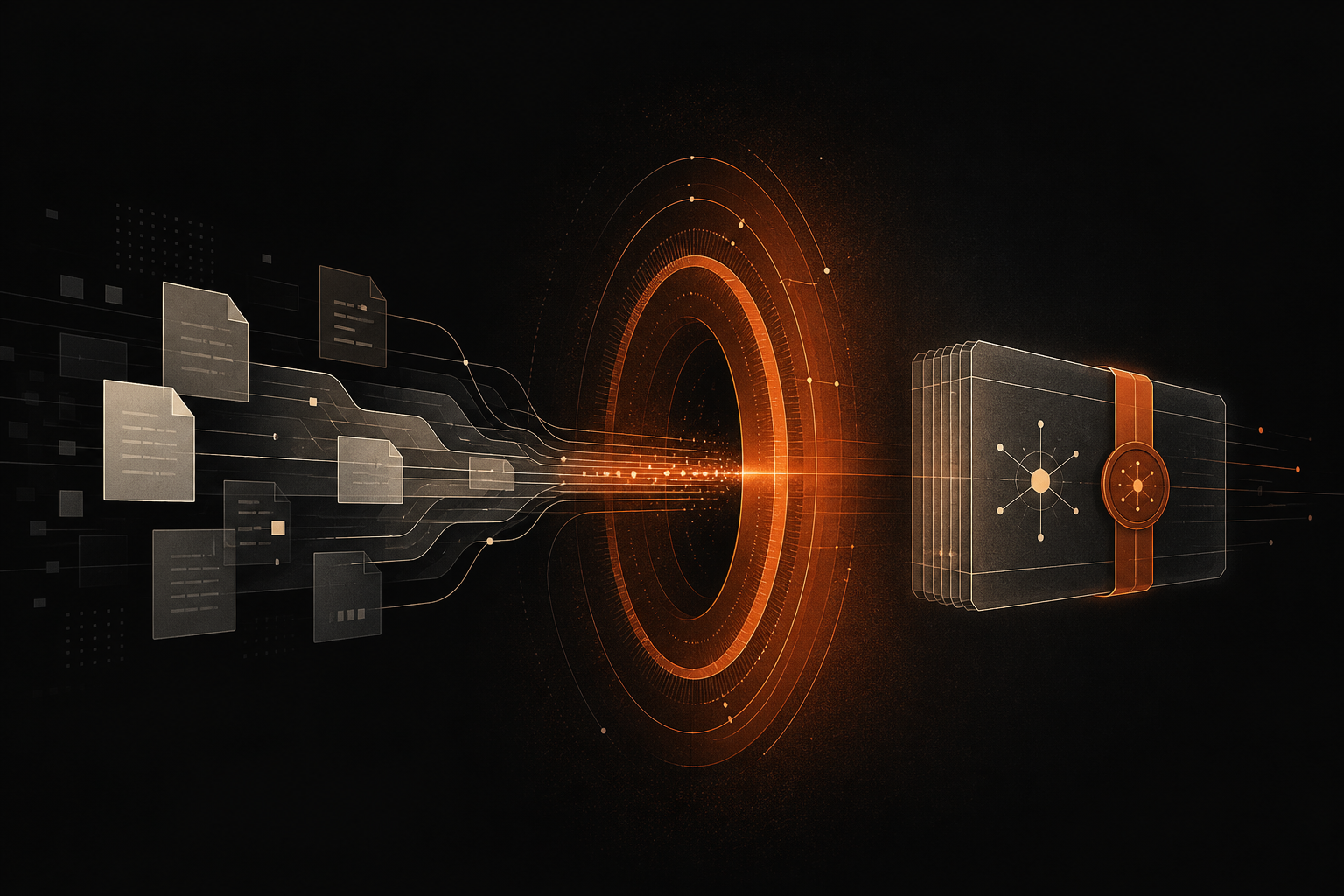
Strig watches the build as it runs — software supply chain security for compiled, embedded, and safety-critical systems. The source tree does not describe what actually compiles and links. Strig records that moment, then turns it into quieter reviews, prioritized risk, and signed artifacts.
The Problem
Toolchain, flags, vendored code, and prebuilt binaries decide the product during the build — and nothing records it. Source tools scan a version nobody builds. Binary tools arrive after the evidence is gone.
For firmware, a bad release is a recall: a field campaign, a regulator, a safety case reopened.
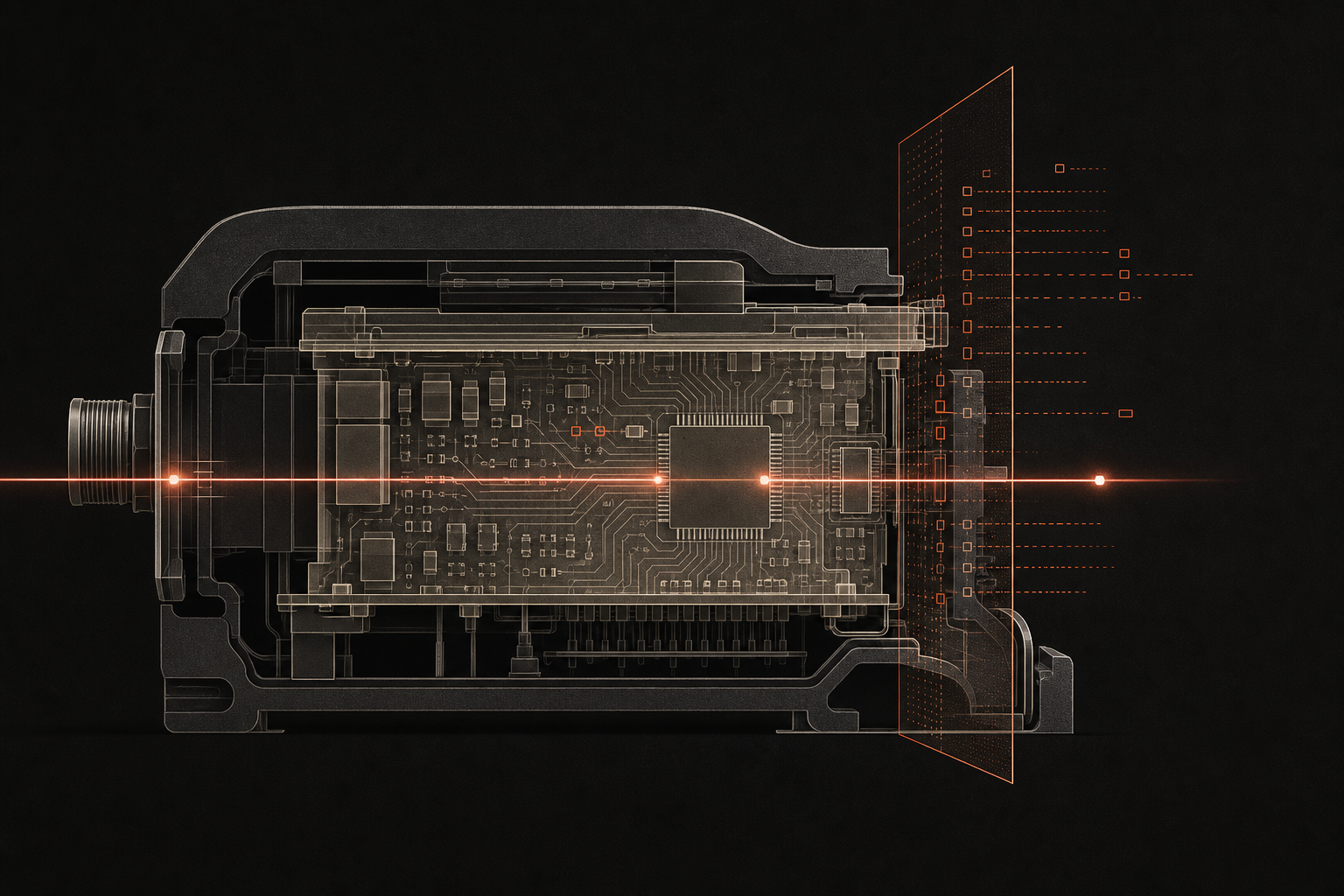
Firmware is a whole operating environment, not a package. The artifact is often proprietary, compressed, or signed — the hardest part of the system to open at all.
No manifest, no lockfile. Dependencies arrive as vendored folders and blobs. Nothing records where any of it came from.
Each one does a single check. Some checks exist in none of them: third-party binaries, toolchain authenticity, what actually linked.
Thousands of findings are a backlog. Whether a finding matters depends on architecture and what actually built — questions the code alone cannot answer.
XZ Utils
The payload lived in the release build script. Source review could not have caught it.
SUNSPOT
An implant swapped a source file during compilation, then restored the clean tree. Repo checks passed.
Ripple20
A vulnerable TCP/IP stack rode the supplier chain into hundreds of millions of devices.
Where coverage usually stops — and where Strig keeps watching.
01 · What you get
A signed record of what entered, compiled, linked, and shipped — not a lockfile guess. The rest of the platform runs on that record.
See the platform
02 · What you get
Architecture context first drops or lowers feasibility, then revises impact from damage scenarios. Risk is both — a feasible finding of low impact is not the work.
See Risk Posture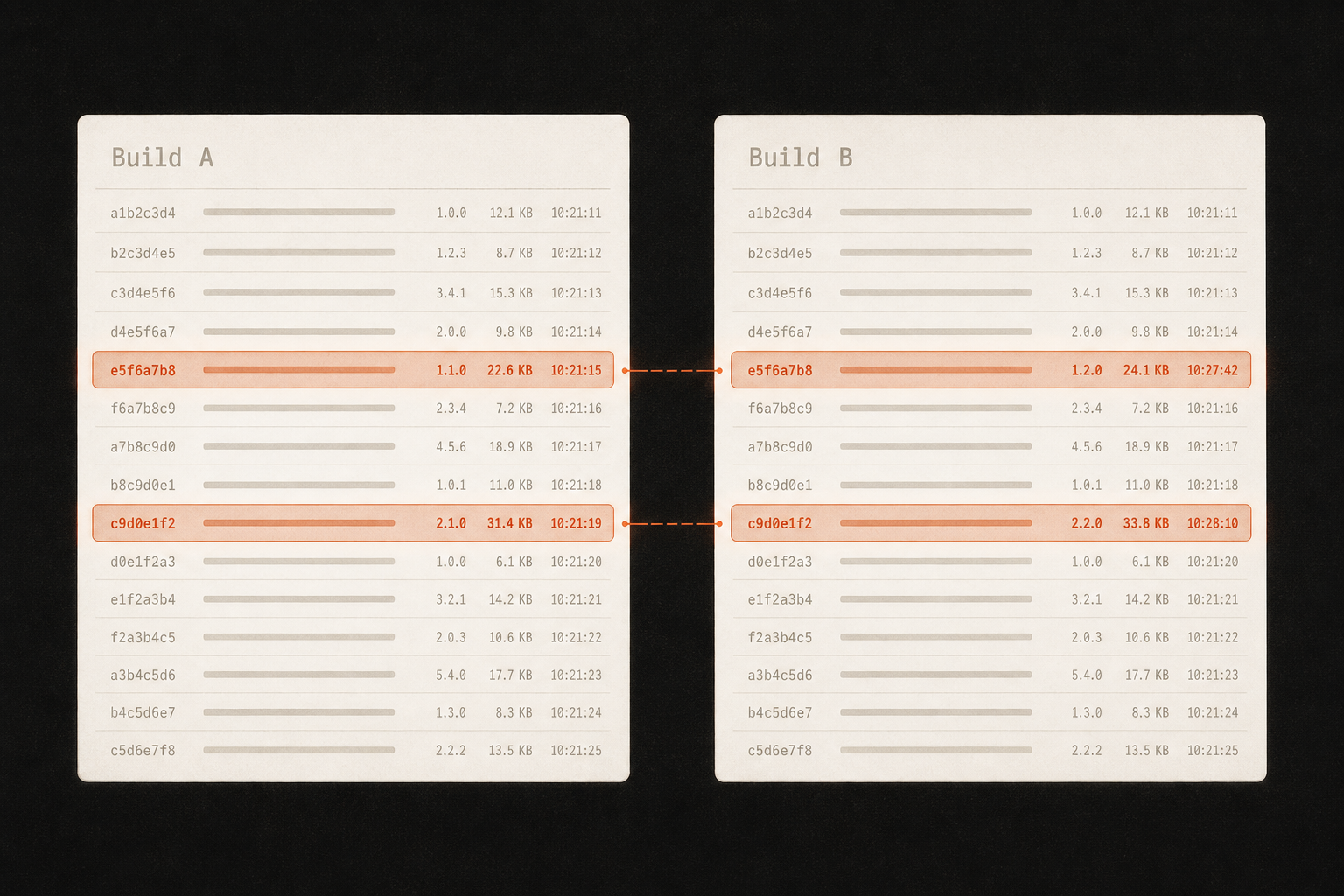
03 · What you get
A deterministic gate and an audit pack tied to the exact binary you released. Pass or fail from policy — never from a model.
See the release gate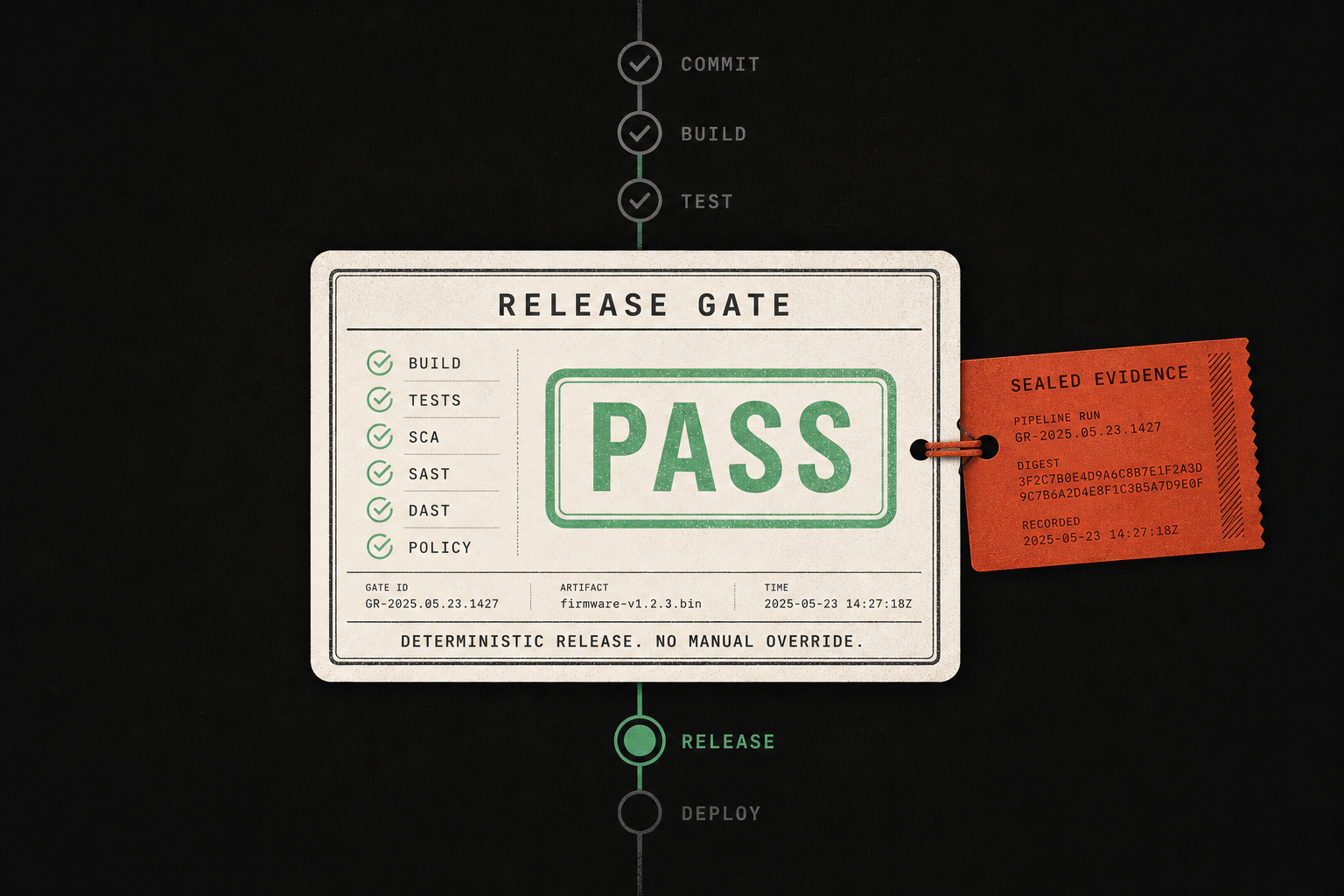
Who it's for
One question: what did we ship?
R&D · DevSecOps
Product Security
CISO
Quality · Compliance
Start with Build Truth, or go straight to the full platform. See solutions
Request access. Strig runs during compilation. No pipeline rewrite.